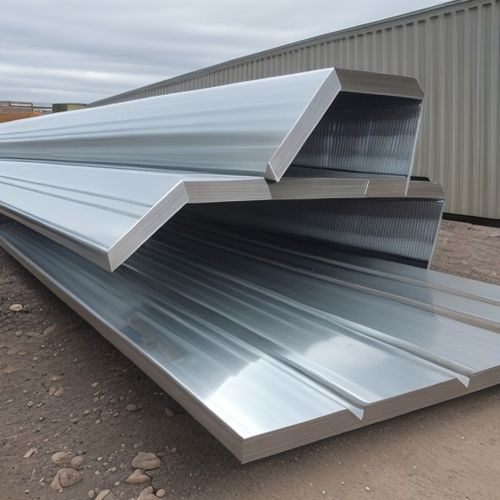
On Wednesday, President Donald Trump ignited a new front in the ongoing trade wars by imposing sweeping 25% tariffs on all steel and aluminum imported into the United States. This bold move, aimed at bolstering US manufacturing and correcting perceived trade imbalances, has sent shockwaves through the global economy. While the intention is to protect and revitalize domestic industries, the potential consequences are far-reaching, with risks of driving up consumer prices, disrupting supply chains, and sparking retaliatory measures from key trading partners.
The Tariff Strategy: Intentions and Immediate Reactions
The imposition of tariffs on steel and aluminum is not a new tactic in Trump's trade playbook. However, this latest move marks a significant escalation, applying the tariffs to all countries without exception. The goal is to level the playing field for US manufacturers, who have long argued that foreign competition—often supported by government subsidies—has undercut their ability to compete globally. By raising the cost of imported metals, the tariffs are designed to make American steel and aluminum more competitive both domestically and internationally.
However, the strategy has immediately drawn fire from trading partners. The European Union, which was hit by these tariffs for the first time since Trump returned to the White House, retaliated within hours with countermeasures targeting US goods exports. Canada, another major trading partner, announced over $20 billion in retaliatory measures, targeting not only steel and aluminum but also a wide range of other products, including computers, sporting equipment, and cast iron.
The Risks of Retaliation and Economic Backlash
The swift retaliation from the EU and Canada highlights the delicate balance of global trade. While the US aims to protect its domestic industries, these tariffs risk triggering a full-blown trade war, with cascading effects on the global economy. The EU's countermeasures, set to take effect in April, target up to €26 billion ($28 billion) worth of American goods, including iconic products like boats, bourbon, and motorbikes. These measures are described as "swift and proportionate," but they signal a dangerous escalation in trade tensions.
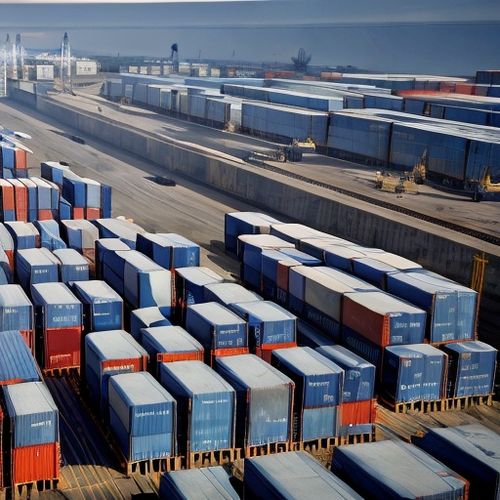
The potential economic fallout is significant. Higher tariffs on steel and aluminum will increase production costs for American manufacturers, who rely heavily on these metals for a wide range of goods, from cars and appliances to infrastructure and medical devices. These increased costs are likely to be passed on to consumers, driving up prices for everyday products. Moreover, the tariffs could disrupt global supply chains, particularly in industries where production is highly integrated across borders.
The Complexities of Global Supply Chains
One of the most significant challenges posed by these tariffs is the disruption of global supply chains. The North American automotive industry, for example, is deeply intertwined, with parts and components crossing borders multiple times during the production process. Higher tariffs on steel and aluminum could significantly increase the cost of production, potentially leading to job losses and reduced output in both the US and Canada.
The aluminum industry, too, faces unique challenges. William Oplinger, CEO of Alcoa—one of the largest US aluminum makers—warned last month that the tariffs could cost 100,000 American jobs, including 20,000 in the aluminum sector. Alcoa, which has significant production facilities in Canada, relies on the efficiency and cost advantages of cross-border operations. The imposition of tariffs on Canadian aluminum could force the company to lay off workers, undermining the very industry the tariffs are meant to protect.
The Broader Economic Implications
The economic implications of these tariffs extend beyond the immediate impact on specific industries. Higher prices for steel and aluminum will ripple through the economy, affecting a wide range of consumer and industrial goods. From cars to appliances, from machinery to medical devices, the cost of production is likely to rise, leading to higher prices for consumers. This could exacerbate inflationary pressures, particularly at a time when the global economy is already facing uncertainty due to the ongoing pandemic and other geopolitical factors.
Moreover, the tariffs risk damaging the very industries they are meant to protect. While the intention is to boost domestic production, the reality is that many US manufacturers rely on imported materials to remain competitive. Higher tariffs could force these companies to seek alternative sources, potentially disrupting long-standing supply chains and increasing costs.
The Path Forward: Negotiation and Adaptation
As the world braces for the potential fallout of these tariffs, the path forward remains uncertain. President Trump has indicated that the US will respond to the EU and Canada's retaliatory measures, though the specifics of any counter-retaliation remain unclear. Meanwhile, Canadian Finance Minister Dominic LeBlanc is set to meet with US Commerce Secretary Howard Lutnick to discuss the situation, highlighting the importance of dialogue in resolving trade disputes.
For businesses and consumers, the coming months will require vigilance and adaptation. Companies will need to explore alternative sourcing strategies, invest in efficiency improvements, and prepare for potential disruptions in supply chains. Consumers, on the other hand, may need to adjust to higher prices for a range of goods, from automobiles to household appliances.
A Delicate Balance in a Globalized World
The imposition of tariffs on steel and aluminum represents a high-stakes gamble in the complex world of global trade. While the intention is to protect and revitalize US manufacturing, the potential consequences are far-reaching and fraught with risk. The swift retaliation from key trading partners, the disruption of global supply chains, and the potential for increased consumer prices all underscore the delicate balance that must be struck in managing trade relations.
As the world navigates this latest chapter in the trade wars, the importance of dialogue, negotiation, and cooperation cannot be overstated. The path forward will require a nuanced understanding of the interconnected nature of the global economy and a commitment to finding solutions that benefit all parties involved. In an era of increasing economic uncertainty, the ability to navigate these challenges will be crucial in determining the trajectory of the global economy.

By Emma Thompson/Mar 18, 2025
By Elizabeth Taylor/Mar 18, 2025

By Grace Cox/Mar 18, 2025

By Noah Bell/Mar 18, 2025
By Victoria Gonzalez/Mar 18, 2025

By Ryan Martin/Mar 18, 2025

By Sarah Davis/Mar 18, 2025

By David Anderson/Mar 18, 2025
By Amanda Phillips/Mar 18, 2025

By Amanda Phillips/Mar 18, 2025
By Emily Johnson/Mar 13, 2025
By Amanda Phillips/Mar 13, 2025
By Christopher Harris/Mar 13, 2025
By Michael Brown/Mar 13, 2025
By Samuel Cooper/Mar 13, 2025

By Daniel Scott/Mar 13, 2025